More Than History: Communication Lessons at the Smithsonian
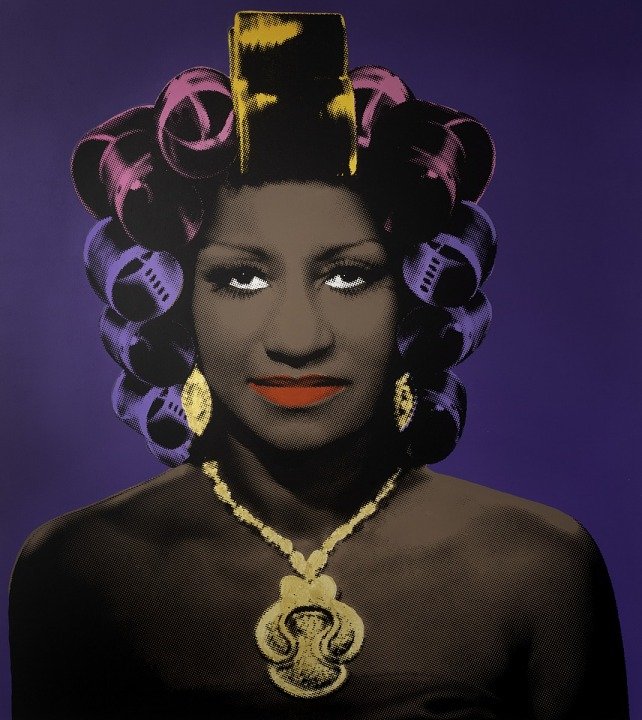
“Celia con Rolos” by Tony Peralta (2015)
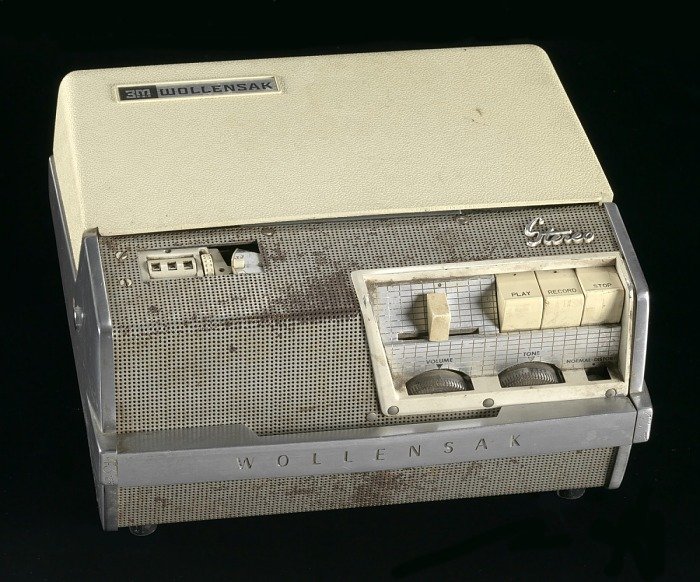
Tape recorder used by Malcolm X at Mosque #7 (1960)
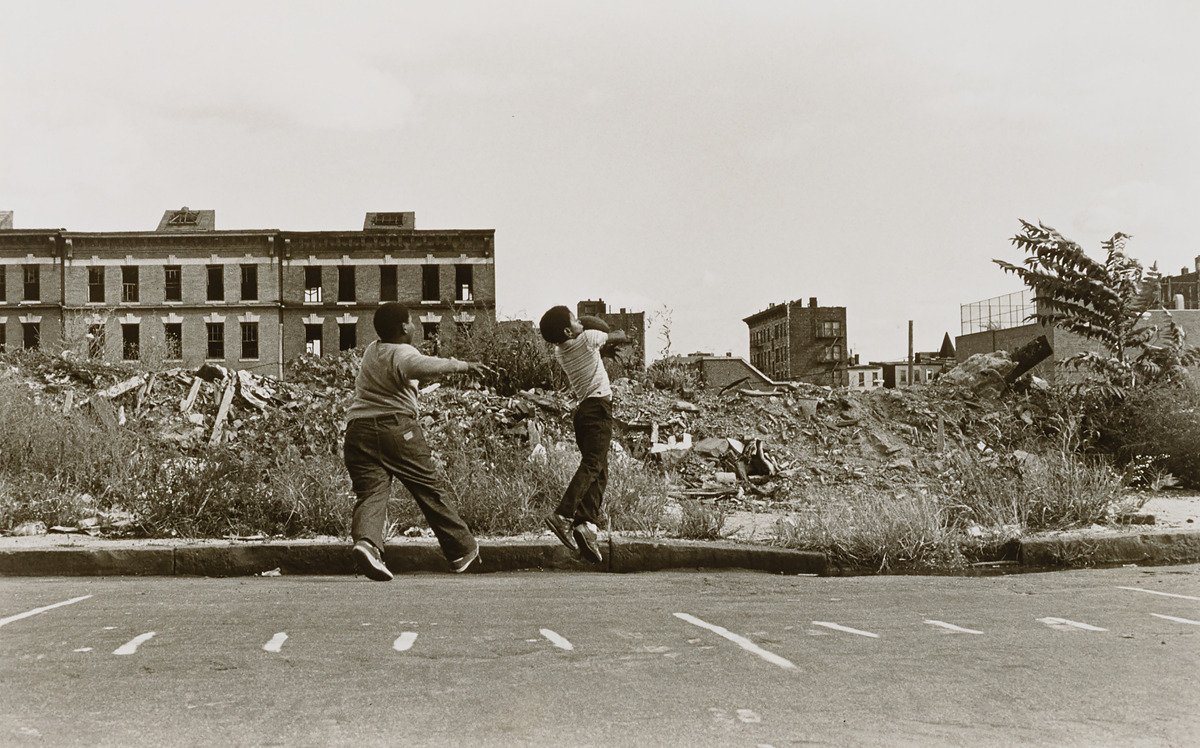
“Touch Football” by Perla de Leon (1980)
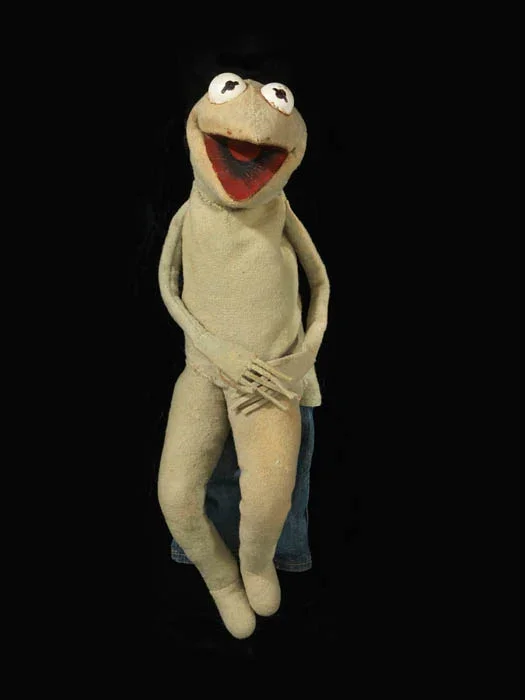
Original Kermit the Frog puppet, Jim Henson (1955)
Check out the posting of this blog on the Smithsonian Faculty Fellowship site at Montgomery College!
After weeks of waiting for the government shutdown to end, I looked down at my phone, alerted by a news notification that for once I was ecstatic to see: “The Smithsonian Museums will reopen on….” Thrilled, elated, and a little nauseated, I rushed (walked distractedly) to my computer to sit down and rewrite my assignment once again, because we were officially going on a field trip!
Now, before I get to our field trip, let’s get some backstory. I teach in the Communication Department here at MC, and the students from my Summer & Fall 2025 COMM 108: Fundamentals of Human Communication courses were asked to incorporate objects, artifacts, and spaces from the Smithsonian Museum in our study of communication.
First, students in both the summer and fall sessions were asked to explore the Smithsonian’s online collection to find an artifact to present to the class for their informative speech assignment. Each student needed to prepare a three-to-five-minute speech on an artifact of their choice and interpretation. For example, one student, Y.M., chose “Celia con Rolos” by Tony Peralta, which features Afro-Cuban Singer Celia Cruz from the Anacostia Community Museum as a route to explore the importance of music and community. Many chose artifacts because of their importance in history, like S.M., who chose a tape recorder, on display at the National Museum of African American History and Culture, that was used by Malcom X during the civil rights movement of the 1960’s. Others found a connection in their artifacts, like M.Z.M., who found Perla De Leon’s photograph “Touch Football” from the Smithsonian American Art Museum & Renwick Gallery. M.Z.M. remarked in the opening line of his speech, “I remember playing football in a parking lot during recess because we didn’t have a real field. When I saw this photo, it reminded me that joy doesn’t wait for perfect conditions; it happens wherever kids can make it happen.”
Overall, students were receptive to this project, and as an instructor, I had a couple of observations. First, students seemed to have a much easier time selecting an artifact, but still felt like they had enough flexibility to find something within their interests. The second observation I had was how much more my students and I enjoyed speeches. The Smithsonian offers so many possible artifacts to study that I found the break away from the usual informative topics to be refreshing and, well, informative. Finally, among all my sections, a total of 85 unique objects and artifacts from the Smithsonian collection were used for informative speeches (Kermit was the most popular repeated artifact). This project really allowed us all to explore so many topics from all over the Smithsonian Collection, making it an approachable and equitable way to incorporate the Smithsonian into any course with a public speaking assignment.
In addition to the incredible speeches, students in my Fall courses were also asked to take on the additional task of performing an observational report connecting nonverbal communication to the design of museum spaces. Often, in communication studies, it is assumed that we only teach public speaking; however, the field is dynamic and explores every facet of communication, including how humans design spaces to communicate behavior expectations, moods, and attitudes. With this in mind, students were tasked to explore two museum spaces either digitally or in person and compare how the spaces communicated with museum audiences. Students were asked to reflect on the following areas for each exhibit: colors used in displays and lighting, important or anchored artifacts, barriers or other restrictions that guided their movement, and how the exhibit supported learning for themselves and others. Then, students were asked to compare the two exhibits on their effectiveness and overall message.
The students who opted for the digital assignment explored the Smithsonian collection through links to various 360° tours, including exhibits like Presente! A Latino History of the United States from the National Museum of American History, or Nation to Nation from the National Museum of the American Indian. Outcomes from the students were great overall, and stayed on par with my expectations for students who visited the museum in person. Even with the difference in technology, students were still able to reflect on the spaces and write thoughtful responses to the assignment prompts. Drawbacks of this approach include that students were not able to see how other visitors engage with the space first-hand, but the accessibility of this approach makes it easy for anyone to adapt.
Now, let’s chat about our field trip! On December 6th and 7th, just one week before the conclusion of the fall 2025 semester, 30 of my COMM 108 students (plus 12 family members!) joined me at the National Museum of American History. I had the pleasure of taking the metro down to D.C. with some students on both days and loved getting to be a tourist too in our city!
Entering through the Museums’ National Mall entrance, students and I gathered in the rotunda in front of the Star-Spangled Banner exhibit, which features the U.S. Flag (1813) created by Mary Pickersgill of Baltimore, Maryland, that is known to have inspired the U.S. National Anthem.
After their observation packets were distributed, I sent my students through the Star-Spangled Banner exhibit to prep them for exploring the museum and taking field notes. This exhibit is perfect for this task; it’s short, it’s impactful, and it has clear use of nonverbal messaging. It is also a great fit because it is structured in a semi-circle, allowing me to send arriving students into the exhibit and debrief with them as they leave. Students were asked to simply enjoy the exhibit and review the questions to see if they can connect what I am asking them for with what they are observing in the space. After their walkthrough and debrief, students were sent on their way to explore the museum’s collection. Exhibits like Entertainment Nation, Corazon y Vida: Lowrider Culture, Food: Transforming the American Dinner Table, and Many Voices: One Nation were among the most popular to observe for students. Reflections included;
On Entertainment Nation – “[The curators] probably wanted to focus on the Muppets motto ‘the lovers, the dreamers, and me’ because the exhibit can connect with everyone.” – R.J.
On Corazon y Vida – “I was drawn in by the two videos playing in the back. I felt so comfortable in this exhibit.” – E.M.
On The First Ladies – “The calm layout, careful spacing, and low lighting made the message clear that the supportive roles of the first ladies have a big impact on our history. It made me reflect on the expectation, pressure, and influence of their behind-the-scenes work. I felt an emotional shift when I entered the room, and it shows how powerful the design is.” – R.C.
Overall, I really enjoyed this experience with students. To see them connect what we are learning in class in real-time in the museum setting was extremely rewarding. To see them take the time to explore the museum with their family, friends, and classmates, bouncing about from exhibit to exhibit, was wonderful. Students walked away with not only a better understanding of the role of nonverbal communication in museum design but a better understanding of American history, too. Perhaps the best part was how often the students remarked that they saw themselves in the exhibits, proving that everyone belongs at the Smithsonian.
Between the informative speeches and the Smithsonian observation report, I had a great time working with my students on these projects. These assignments are now a part of my COMM 108 course, and in just a few weeks, I will be returning with my students to the Smithsonian Museums to watch a whole new group of students experience the joy that comes with learning in these incredible spaces.
